
Dr. Dilkaranjot Grewal, DDS, practices at North Oaks Family Dentistry in Raleigh, North Carolina. In a short video recorded in his office with a Jazz sensor in hand, he walked through why his practice moved to Jazz and how it has gone since.
He covers the things most private practice owners care about when they choose sensors: the frustrations that made them look elsewhere, what it does for the practice’s costs, what happens when a sensor needs replacing, and whether it fits the way the team already works.
Watch the full video below, then read on for the highlights.
Dr. Grewal’s practice had been using Schick for a while before switching. He describes a run of frustrations: software issues, equipment that was out of warranty, and, in his words, just about every issue you can imagine, which he says he had with other companies too.
So the practice got Jazz sensors and joined the Jazz Club, the Jazz Club subscription that includes lifetime warranty and damage coverage.
For a private practice, every equipment decision shows up in the monthly numbers. Dr. Grewal describes Jazz as super cost-effective, and he says it helps with the overall overhead of the office.
That matters when you’re balancing new technology against everything else a practice has to pay for.
The part that stood out most to Dr. Grewal was what happens when a sensor needs replacing. He explains that you can call someone up and get a replacement sensor within a couple of days, which he calls mind-blowing.
For a busy office, a sensor out of service can throw off the schedule. Knowing a replacement is a phone call away, and arrives quickly, takes some of that pressure off. And because Jazz sells direct, that call goes to Jazz itself.
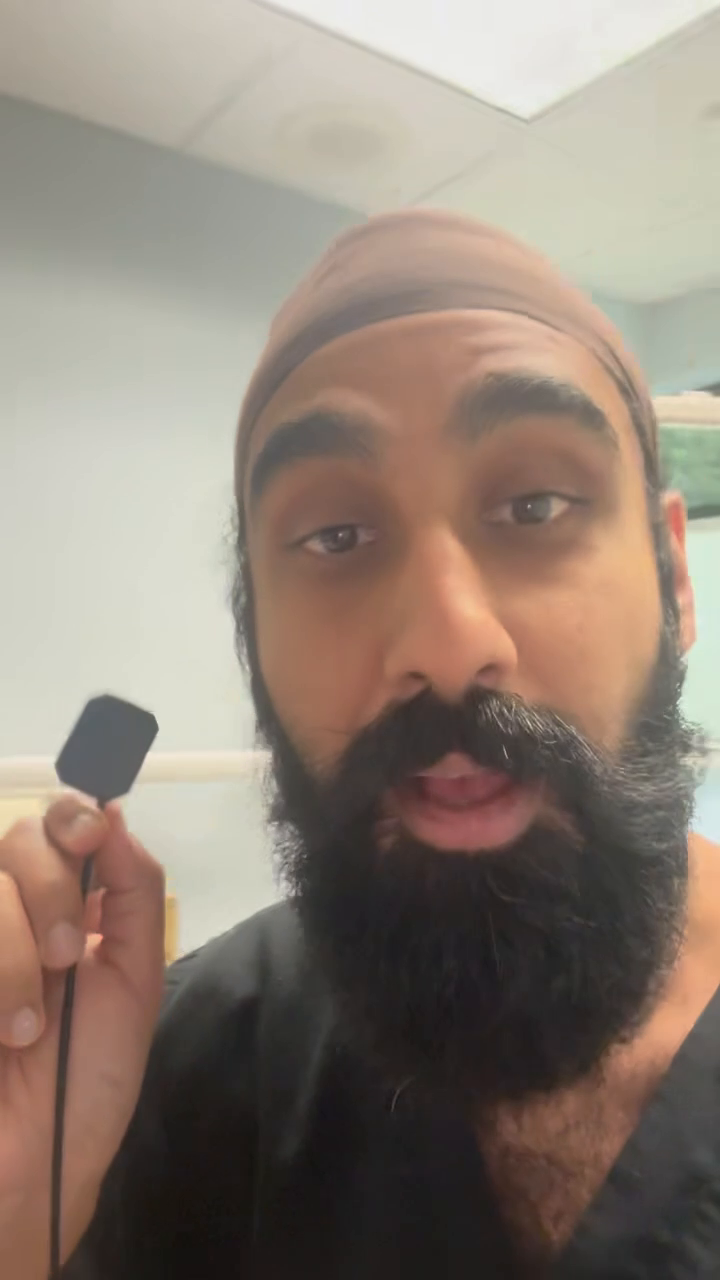
Dr. Grewal opens the video by calling the Jazz sensors plug and play, and he comes back to that point at the end. He says his existing sensor holders fit, and the sensors work with Curve, the practice management software his office uses.
That kind of fit is a big deal in practice. A new sensor that forces you to change your software or your workflow costs time to adopt. Dr. Grewal describes a switch that slotted into what his office was already doing.
A sensor is only as good as the team’s willingness to use it. Dr. Grewal says he has had no issues with his dental assistants using the Jazz sensors, and he can take his own x-rays without any problems too.
He also says the technology is moving fast, and he sees Jazz as part of where it’s headed:
“I think what the guys at Jazz are doing, I think it’s where the future is.”
— Dilkaranjot Grewal, DDS, North Oaks Family Dentistry, Raleigh, NC
His bottom line: no complaints, and he’s very, very happy.
If you’re weighing a sensor change, Dr. Grewal’s experience comes down to a few practical points:
At Jazz, we think great imaging shouldn’t come with headaches. That’s what we mean by X-Rays Without Extortion.
Curious how Jazz would work in your operatories? Try it in your own practice.

Tell other dentists about it with a quick Google review.
Leave a Google Review (opens in a new tab)Maybe later